
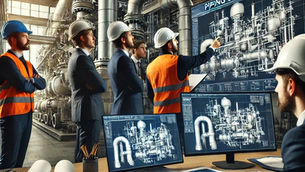
Industrial piping systems operate under intense pressure, changing temperatures, and continuous mechanical movement. When pipes carry hot fluids or gases, the material naturally expands and contracts during operation. If engineers fail to manage these movements correctly, the piping network may experience cracks, leaks, vibration issues, or equipment damage that can disrupt the entire facility. This is why thermal piping stress analysis plays a major role in modern industrial engineering projects across refineries, chemical plants, and power generation facilities.
Companies such as Little P.Eng. Engineering help industries evaluate these operational challenges before they become expensive failures. Their engineering approach focuses on safe system design, proper support placement, and advanced simulation methods that improve long term reliability. Industrial operators rely on specialized consultants because even a small piping failure can lead to shutdowns, environmental concerns, and costly repairs that affect production schedules and safety compliance.
Why Temperature Expansion Creates Engineering Challenges
Heat expansion may seem like a small technical detail, but in industrial environments it can create serious structural complications. Long piping lines exposed to high temperatures can move several inches during operation, placing excessive force on pumps, valves, turbines, and supporting structures. If movement is restricted, stress accumulates within the pipe walls and eventually weakens the entire system. Engineers must therefore study flexibility, anchor placement, and equipment loading during the design stage.
Many industrial facilities operate continuously for years without shutdowns, which means piping systems must tolerate repeated thermal cycles every single day. Expansion loops, flexible joints, and proper routing techniques help absorb movement safely without damaging connected equipment. Engineers also consider external conditions such as wind, vibration, and operational pressure because these combined forces influence how the system behaves under real plant conditions.
The Importance of Material Selection in Pipe Design
The success of any industrial piping project depends heavily on choosing the correct construction materials. Different metals react differently to temperature variation, corrosion exposure, and mechanical stress. Carbon steel, stainless steel, alloy steel, and specialized materials each offer advantages depending on the operational environment. Selecting the wrong material can shorten equipment life and increase maintenance costs across the facility.
Engineering consultants evaluate operating temperature, pressure ratings, chemical compatibility, and environmental exposure before recommending a suitable piping material. High temperature systems in oil and gas facilities often require advanced alloys capable of maintaining strength under extreme conditions. Proper material selection not only improves reliability but also supports regulatory compliance and reduces the risk of premature system failure during long term operation.
How Engineering Simulations Improve System Reliability
Modern engineering software allows specialists to simulate real operating conditions before construction begins. Digital modeling helps engineers understand how a piping network will react during startup, shutdown, and continuous operation. By identifying excessive stress areas early, companies can make adjustments before installation and avoid expensive redesign work later in the project lifecycle.
Industrial consultants like Little P.Eng. Engineering often combine simulation technology with practical field experience to deliver safer designs. In the middle of complex industrial planning, many companies seek expert support through thermal piping stress analysis services that improve operational efficiency and reduce long term mechanical risks. These evaluations help facility owners optimize support locations, reduce equipment loading, and maintain stable system performance in demanding industrial environments.
Regulatory Compliance and Industrial Safety Standards
Industrial facilities must comply with strict engineering regulations to ensure worker safety and environmental protection. Organizations such as ASME and international engineering authorities provide guidelines that define acceptable stress limits, pipe support requirements, and system safety procedures. Compliance is especially important in industries handling hazardous chemicals, steam systems, or high pressure fluids where a piping failure could create severe operational consequences.
Proper documentation and engineering verification are essential during project approvals and plant audits. Many regions require detailed stress evaluation reports before commissioning large industrial systems. This is another reason why thermal piping stress analysis remains a critical part of industrial engineering projects because it helps confirm that piping networks can safely tolerate operational loads without exceeding design limitations or compromising structural integrity.
Practical Approaches for Better Piping Performance
Industrial facilities can improve piping reliability by following smart engineering practices during both design and maintenance stages. Small adjustments during planning often prevent major operational failures in the future. Experienced engineers typically focus on system flexibility, balanced support distribution, and realistic operating conditions when developing a stress management strategy for large scale industrial projects.
The following practical recommendations are commonly used in industrial piping systems to improve long term performance and operational stability.
- Engineers should avoid unnecessary routing complexity because excessive bends may create additional stress concentration areas.
- Pipe supports should be inspected regularly to ensure they are functioning correctly under changing temperature conditions.
- Expansion joints and flexibility loops should be designed according to actual operating temperatures rather than estimated assumptions.
- Maintenance teams should monitor vibration levels because persistent vibration can accelerate fatigue damage in connected systems.
Common Design Mistakes That Increase Operational Risks
One of the most common engineering mistakes is underestimating thermal movement during the early design phase. Some projects focus heavily on process functionality while giving less attention to mechanical flexibility and support behavior. This oversight can result in overloaded equipment nozzles, pipe sagging, and excessive displacement that affects overall system reliability during operation.
Another major issue occurs when facilities modify existing piping layouts without performing updated engineering evaluations. Even small design changes can alter load distribution and create unexpected stress conditions throughout the network. Facilities that regularly review system performance and perform thermal piping stress analysis evaluations are generally better prepared to prevent shutdowns, reduce maintenance costs, and maintain safer working conditions for plant personnel.
The Role of Maintenance in Long Term Reliability
Industrial piping systems require ongoing inspection and preventive maintenance to remain safe over time. Continuous exposure to pressure fluctuations, vibration, and temperature cycling gradually weakens system components. Maintenance teams must inspect supports, weld joints, anchors, and connected equipment regularly to identify early warning signs before failures occur.
Experienced engineering consultants often work closely with maintenance departments to improve inspection planning and operational reliability. Little P.Eng. Engineering supports industrial clients by helping them identify stress sensitive areas that may require additional monitoring or reinforcement. Their engineering expertise allows companies to reduce downtime, extend equipment lifespan, and improve the overall performance of critical industrial infrastructure.
Future Developments in Industrial Engineering Solutions
Industrial engineering continues evolving through advanced simulation software, automated monitoring systems, and digital modeling technologies. Smart sensors now allow facilities to monitor pipe movement, vibration levels, and temperature conditions in real time. These innovations help engineers detect operational abnormalities early and respond before small issues become major mechanical failures.
As industrial systems become larger and more complex, engineering precision will remain essential for operational success. Companies investing in reliable design strategies and professional thermal piping stress analysis support are better positioned to improve efficiency, strengthen plant safety, and maintain compliance with modern engineering standards. Businesses that prioritize proactive engineering solutions today will likely experience fewer failures and stronger long term operational performance in the future.
